This post may contain affiliate links. Please read our disclosure policy.
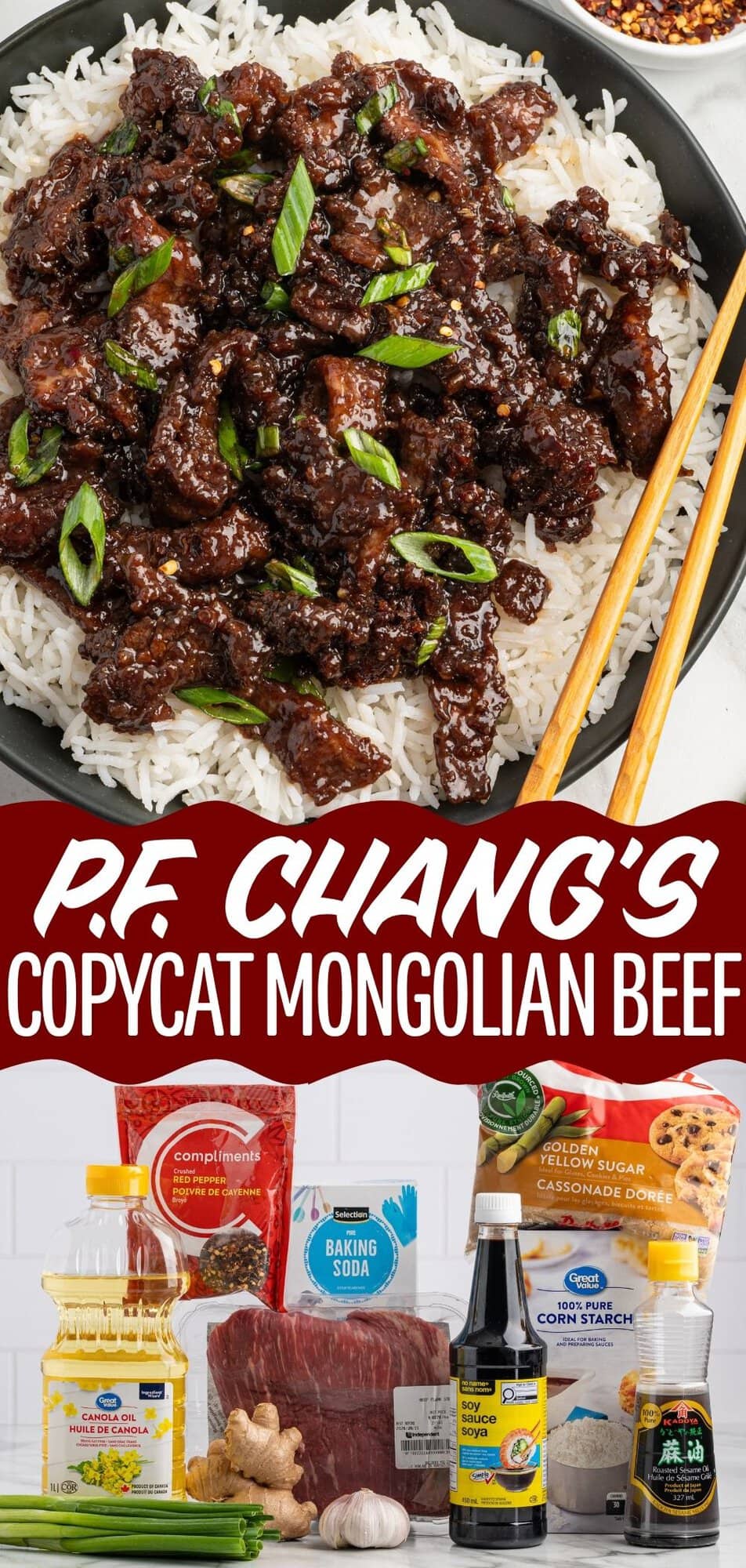
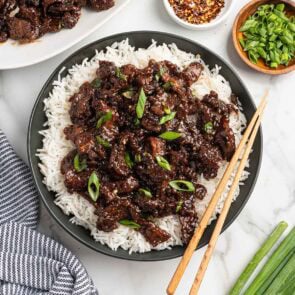
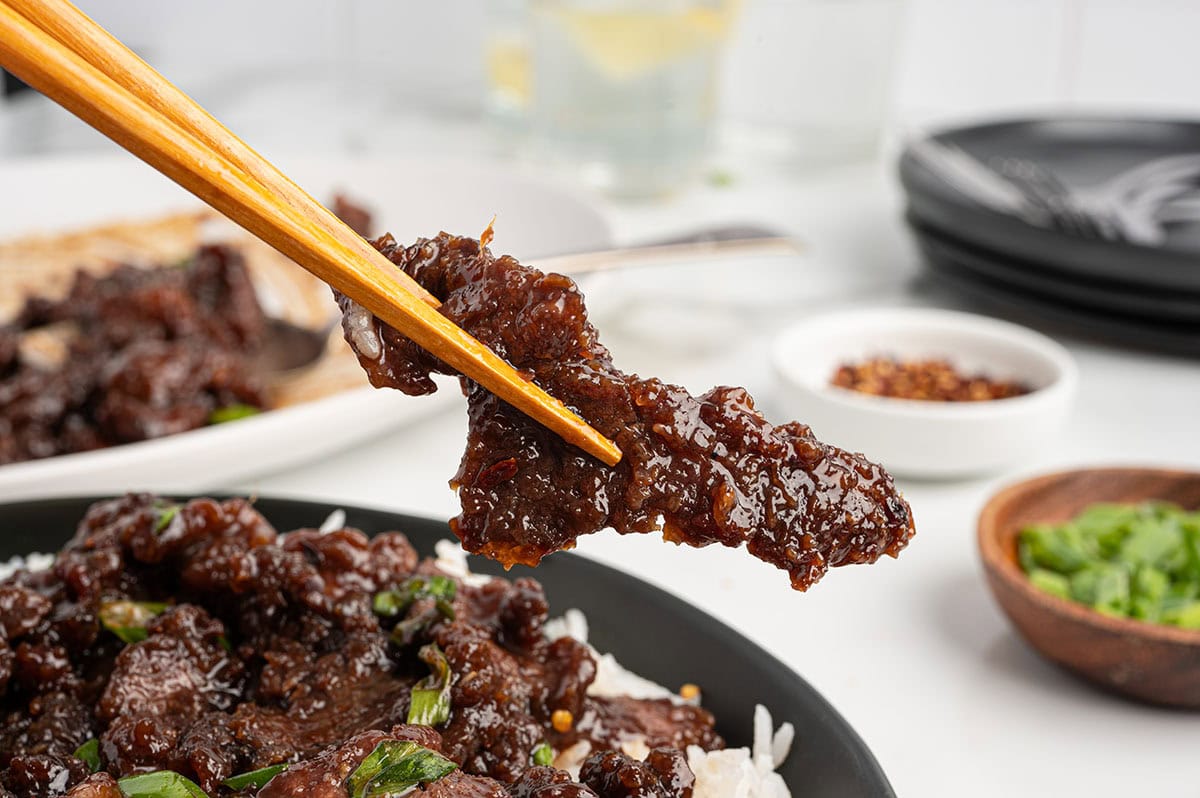
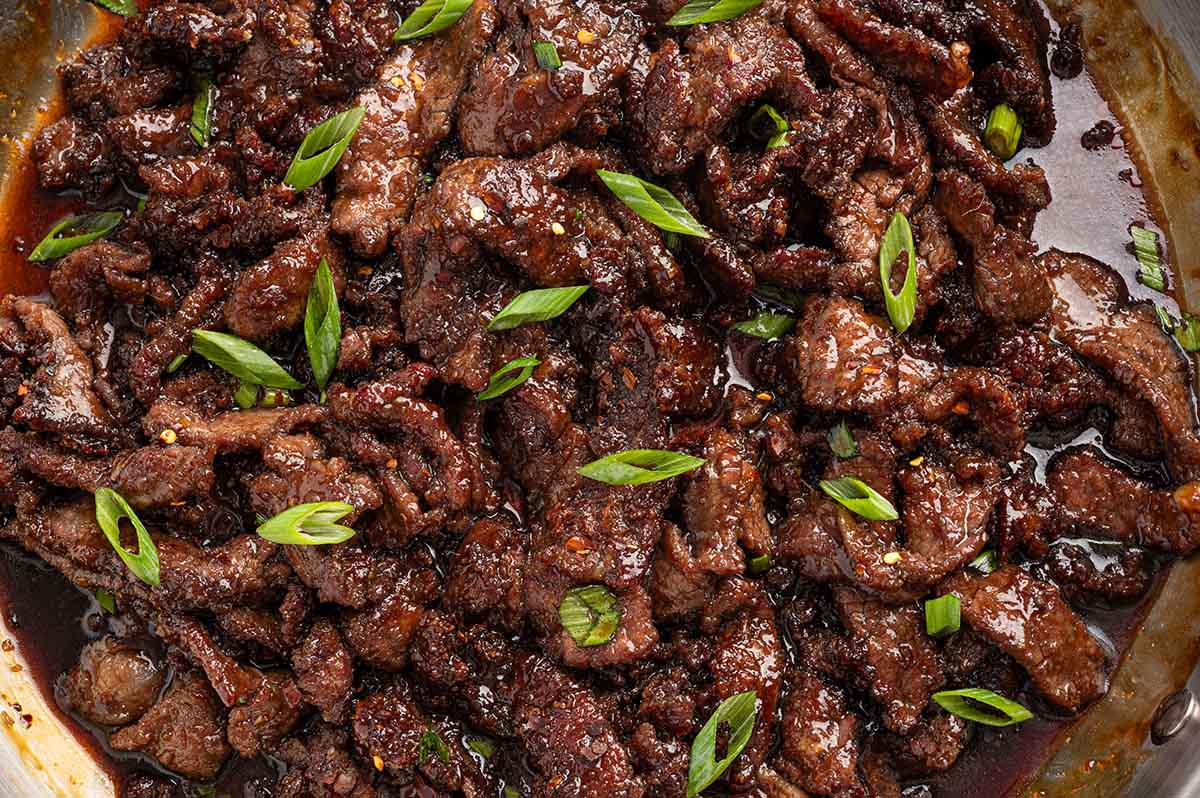
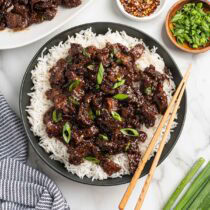
This Mongolian beef is what my family asks for on takeout night. The beef is tender with crispy edges, and the sauce is thick enough to cling to every piece.
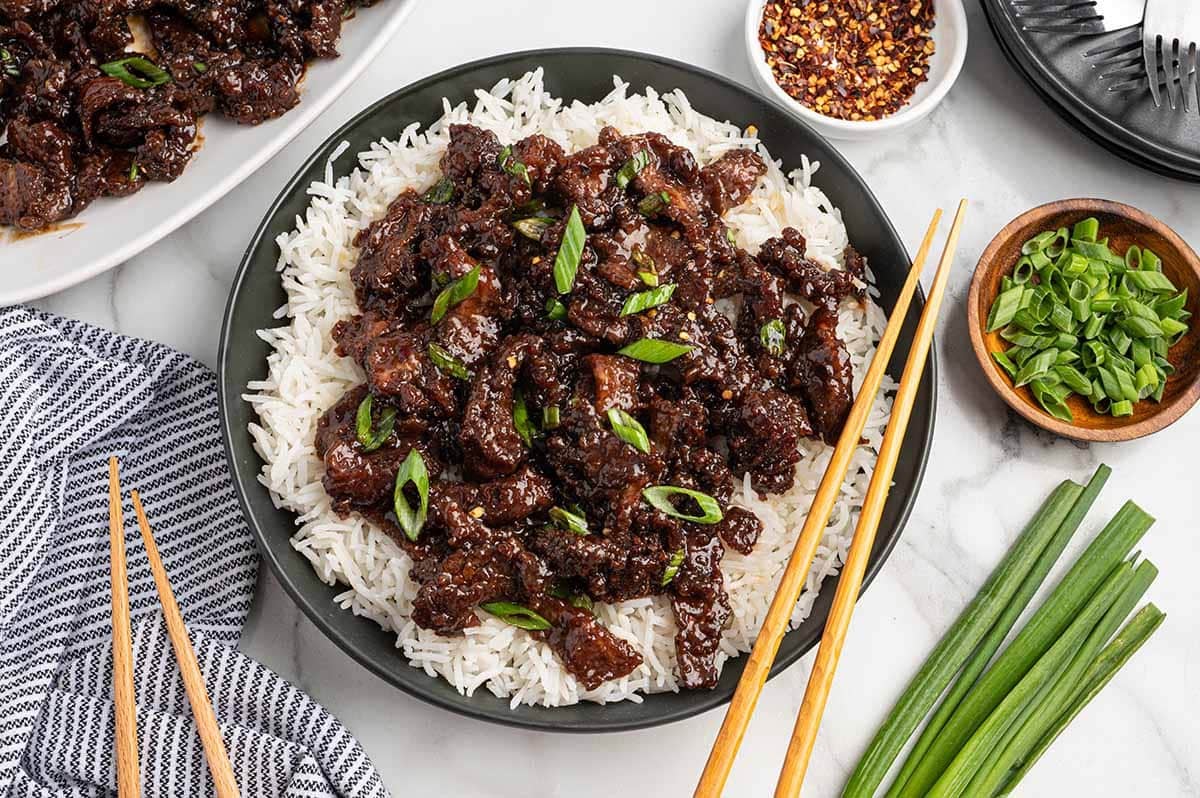
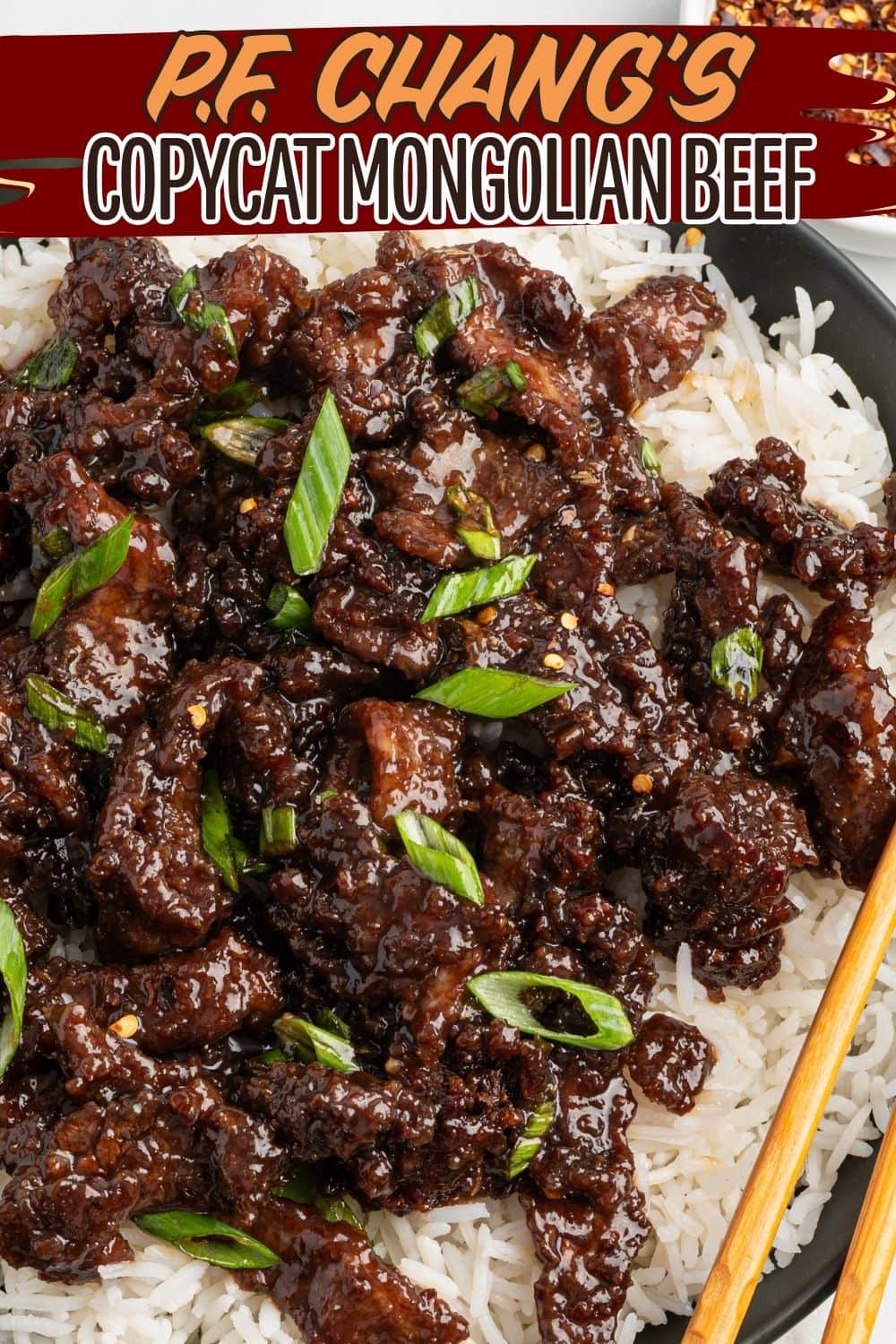
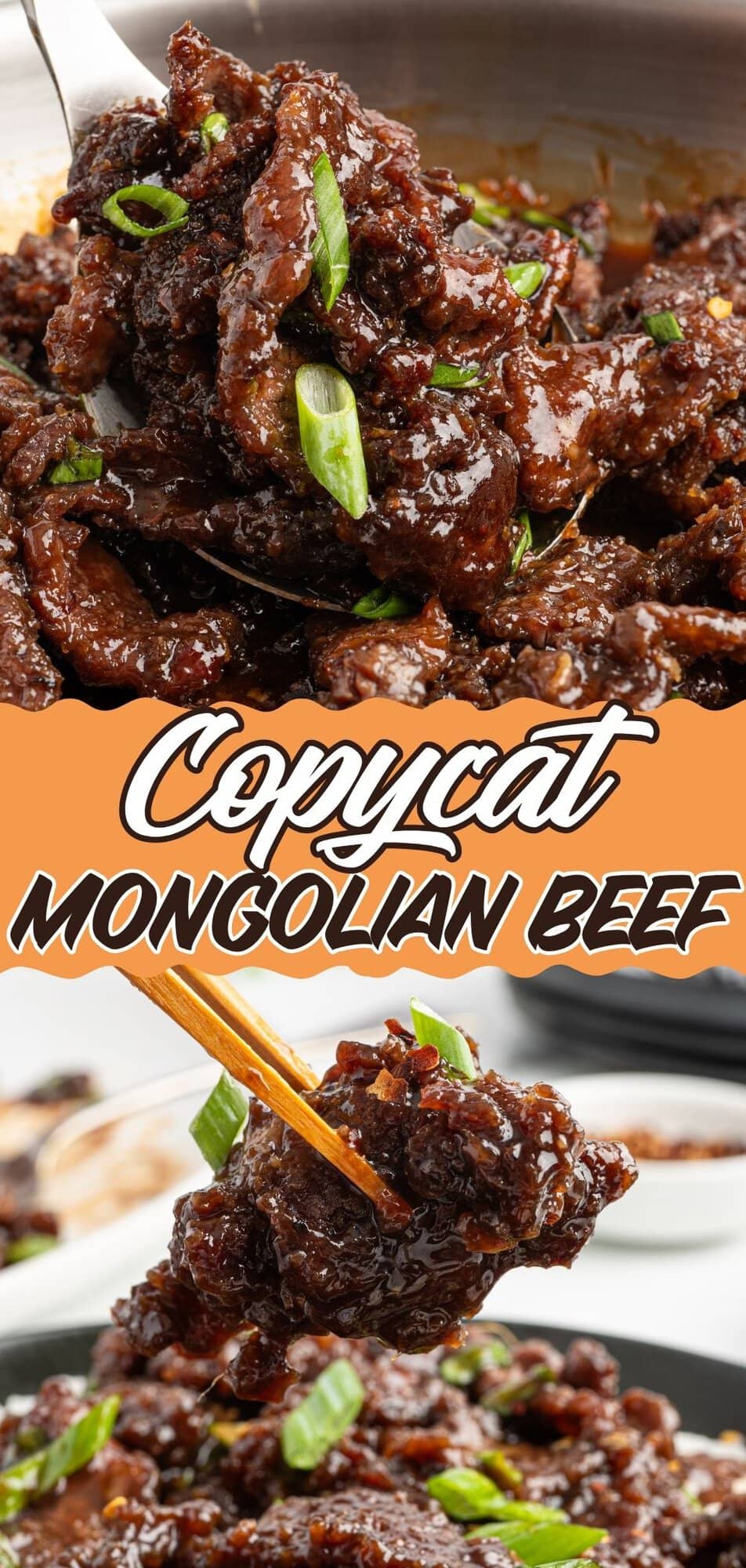
P.F. Chang’s Mongolian beef has always been my order. It is the one thing I get every time I go, and this is the version I wanted to be able to make at home, right alongside my PF Chang’s chicken lettuce wraps and the rest of my copycat Asian recipes. I serve it with steamed rice and broccoli so everyone can build their own plate.
This is the version I make now. The beef stays tender all the way through the frying, and the sauce thickens into a real glaze that coats every piece instead of pooling at the bottom of the pan.

Tested & Perfected
Why I Threw Out My Old Recipe and Started Over
My old version leaned on hoisin and sriracha. It was fine, but it never gave me the glossy sauce or the tender beef I was actually after.
So I rebuilt it from scratch. A baking soda marinade, a proper cornstarch coating, and a separate slurry for the sauce are all new, and together they finally got me the texture I had been chasing for years. This is the one I will make from here on out.

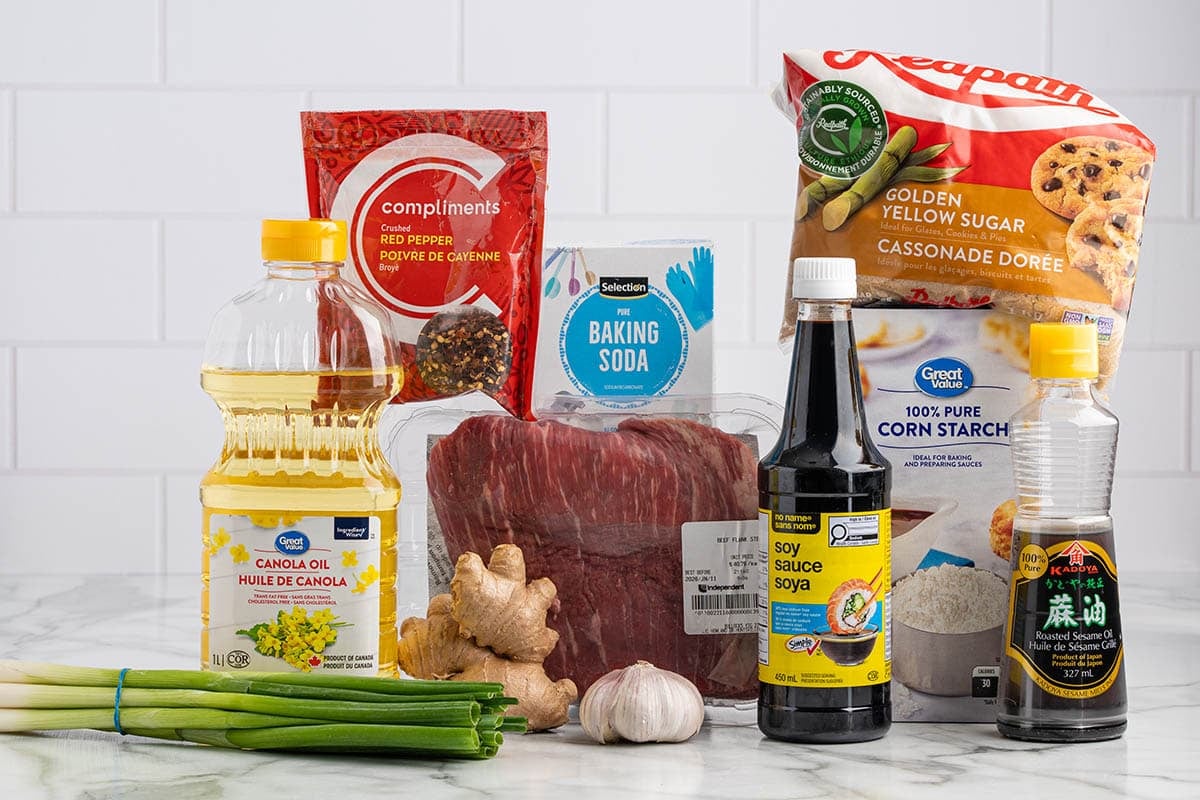
What You’ll Need
- Flank steak: Flank is lean and it has a long, obvious grain, which is exactly what you want here. That visible grain is what lets you slice cleanly across it, and slicing across it is what keeps the beef from turning chewy.
- Baking soda: This is the tenderizer and it is the reason the beef stays soft even after frying. It breaks down the muscle fibers in the flank steak at a chemical level, so you get tender meat without a long marinade. One hour is all it needs.
- Cornstarch: It does two separate jobs in this recipe, which is why it is split. The larger portion coats the beef and fries into the crisp golden crust. The single tablespoon is held back for the slurry that thickens the sauce.
- Light brown sugar: Mongolian beef is a sweet dish and I am not going to pretend otherwise. The brown sugar is what makes the sauce taste like the restaurant version, and it is what caramelizes against the soy sauce into that sticky glaze. If sweet-and-salty is not what you are after, this is not the recipe for you.
- Low-sodium soy sauce: Use low-sodium, not regular. There is a half cup of it in the sauce plus more in the marinade, and with regular soy sauce the whole thing crosses over into salty and you cannot walk it back.
- Grated garlic and ginger: Grate them, do not mince them. Grated garlic and ginger melt into the sauce and season the whole thing evenly. Minced pieces stay as pieces, and you get a bite of raw ginger instead of a sauce that tastes finished.
How to Make Mongolian Beef
Step 1: Slice and Marinate the Beef
Slice the flank steak against the grain into thin strips, about ¼-inch thick. Toss it with the canola oil, water, soy sauce, cornstarch, and baking soda, then cover and marinate at room temperature for one hour.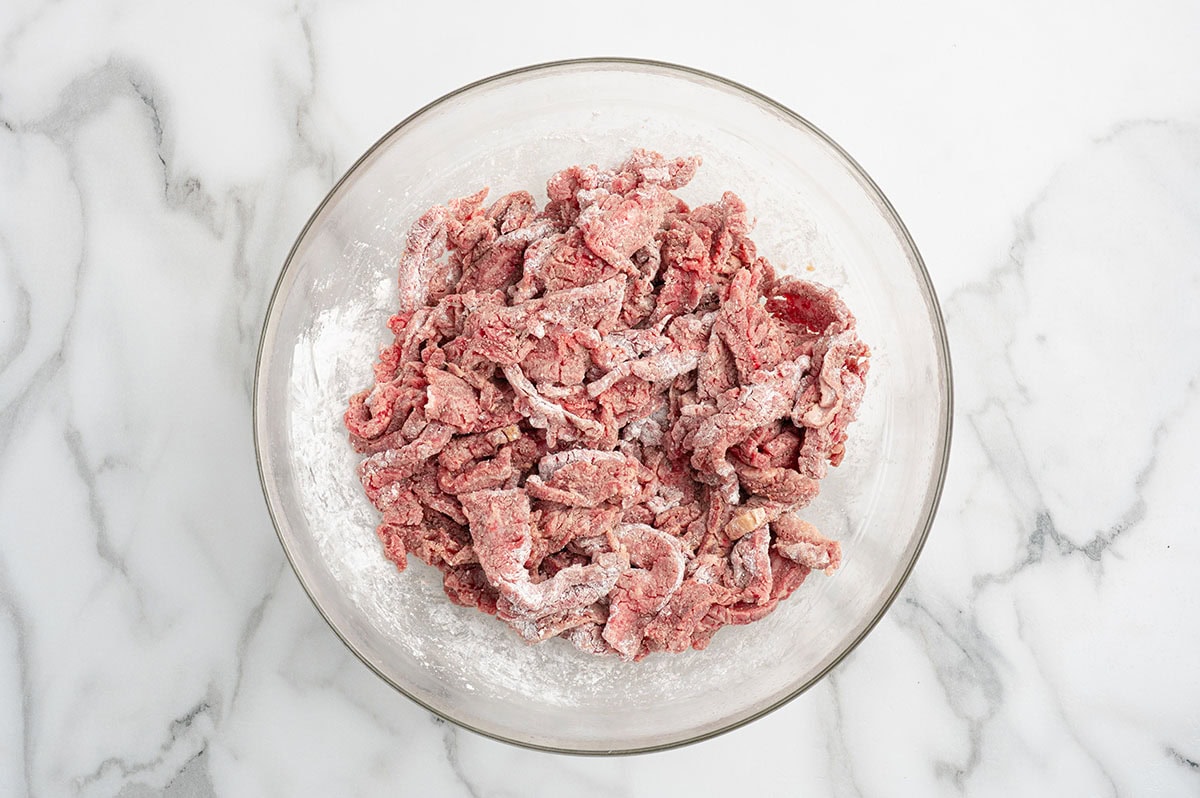
Step 2: Heat the Oil and Coat the Beef
Heat the canola oil in a 12-inch heavy-bottomed skillet over medium-high heat. While the oil heats, add the ⅓ cup of cornstarch to the marinated beef and toss to coat. Shake off the excess before adding the beef to the pan.
Step 3: Fry the First Batch
Once the oil shimmers and a small piece of beef sizzles immediately when added, lay half the coated beef in the skillet in an even layer. Fry for 2 to 3 minutes per side, until the edges are crispy and golden and no pink remains. Remove with a slotted spatula to a paper towel-lined plate.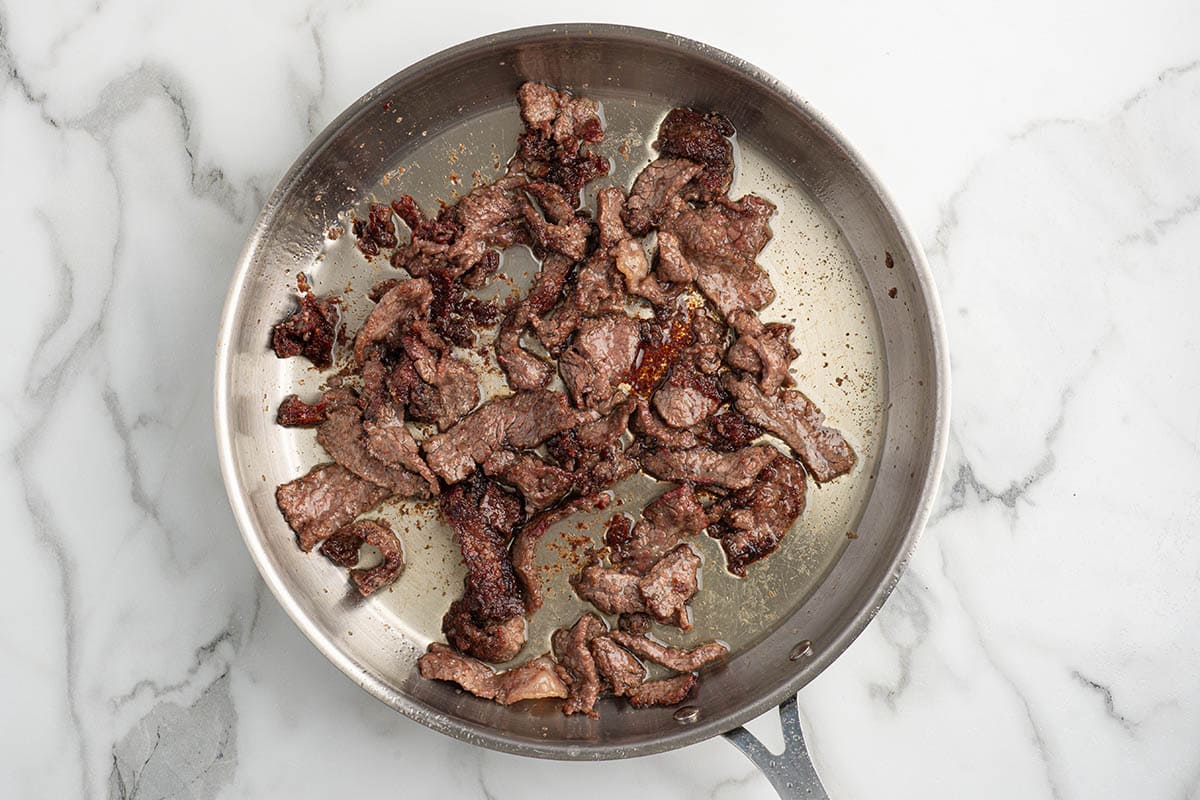
Step 4: Fry the Second Batch
Add the remaining beef to the skillet and fry for 2 to 3 minutes per side the same way. Transfer to the paper towel-lined plate with the first batch. Crowding the pan steams the beef instead of frying it, so do not rush this.
Step 5: Build the Sauce
Pour off all but 1 tablespoon of the oil and reduce the heat to medium. Whisk in the soy sauce, brown sugar, water, garlic, ginger, sesame oil, and red pepper flakes, and bring it to a boil.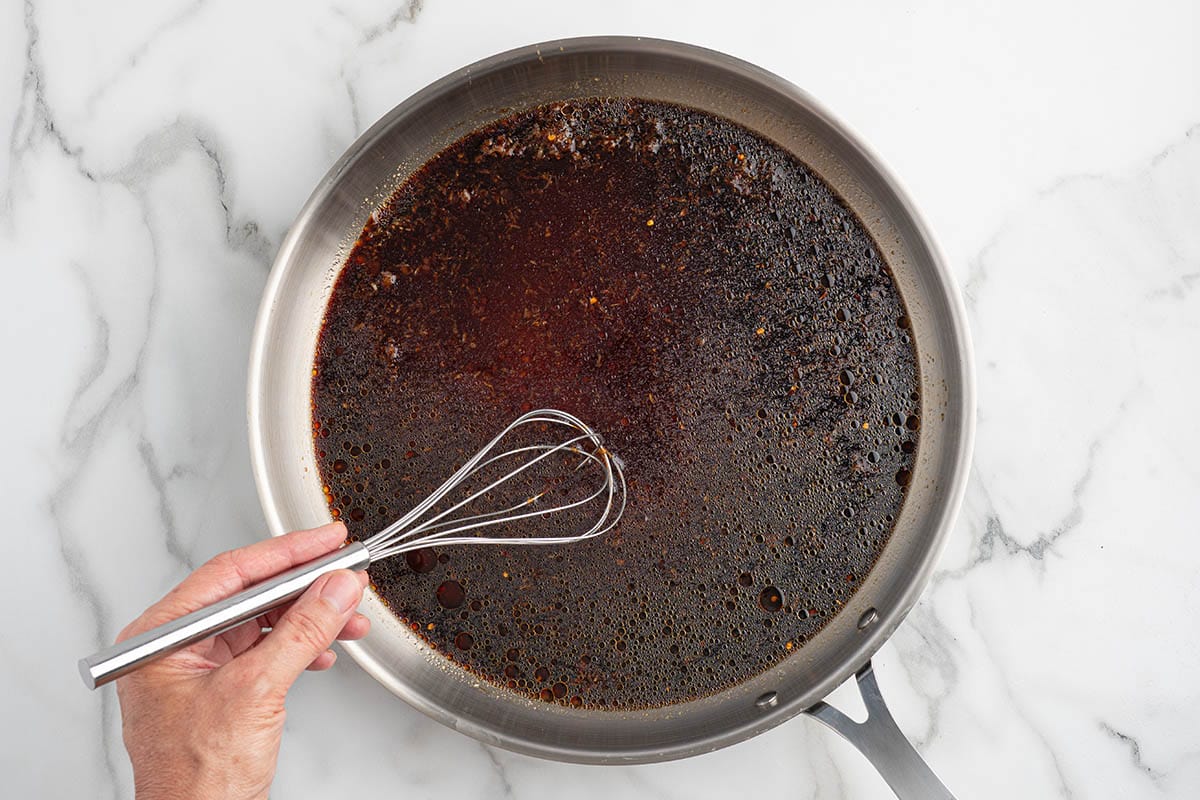
Step 6: Add the Slurry
Whisk the reserved tablespoon of cornstarch with the tablespoon of water until it dissolves, then stir it into the bubbling sauce. Cook 1 to 2 minutes, until it coats the back of a spoon.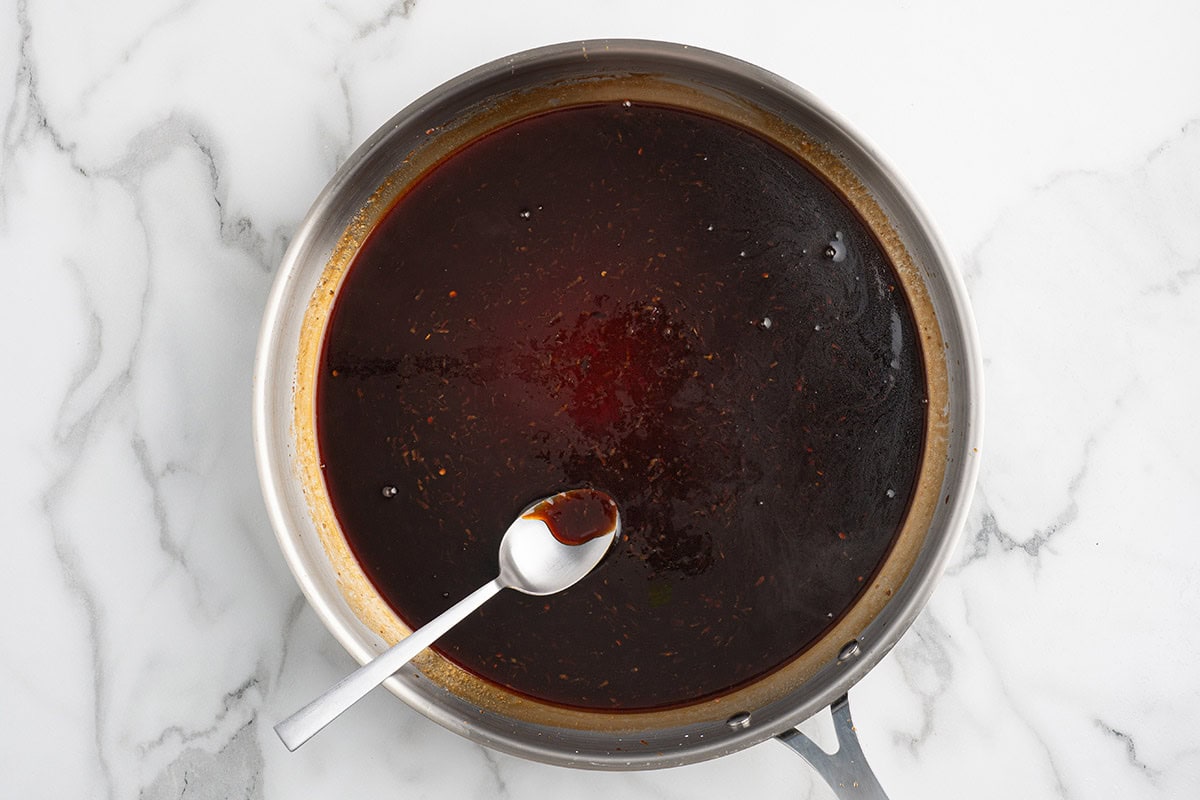
Step 7: Toss and Serve
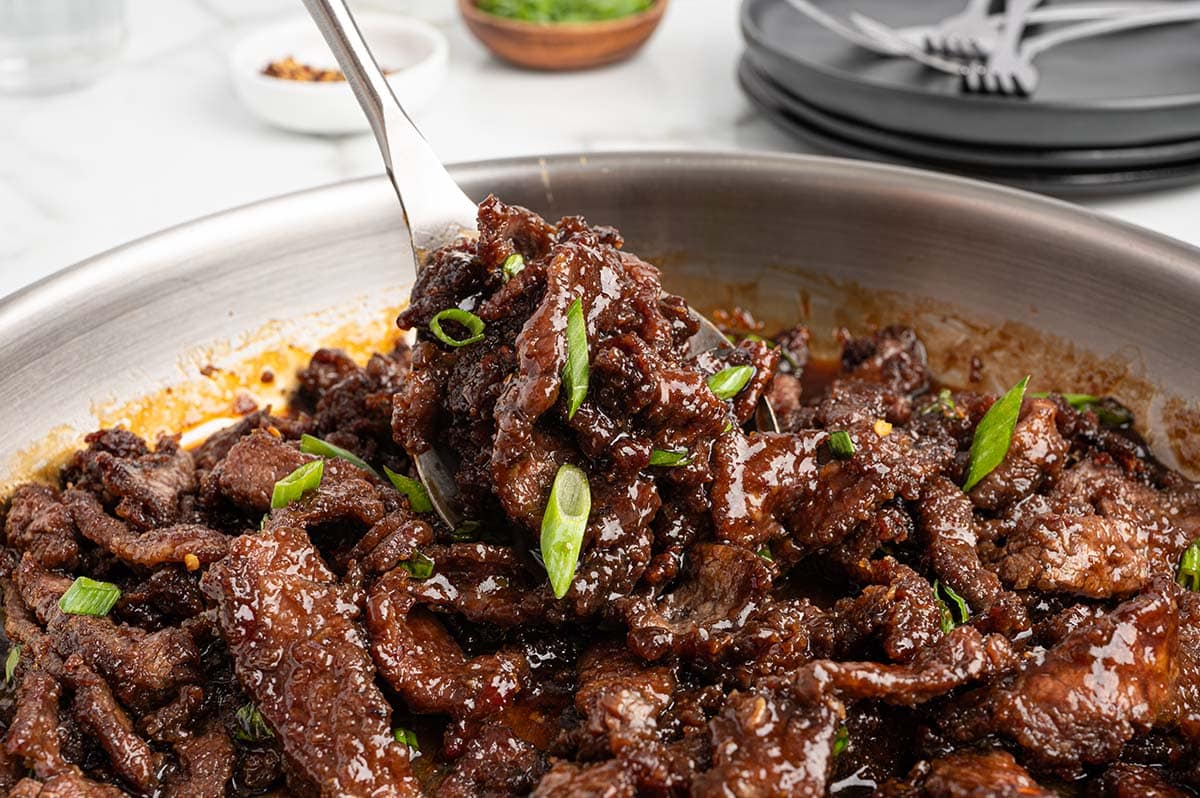
Turn off the heat, add the beef and green onions, and toss until every piece is coated. Serve it hot over rice.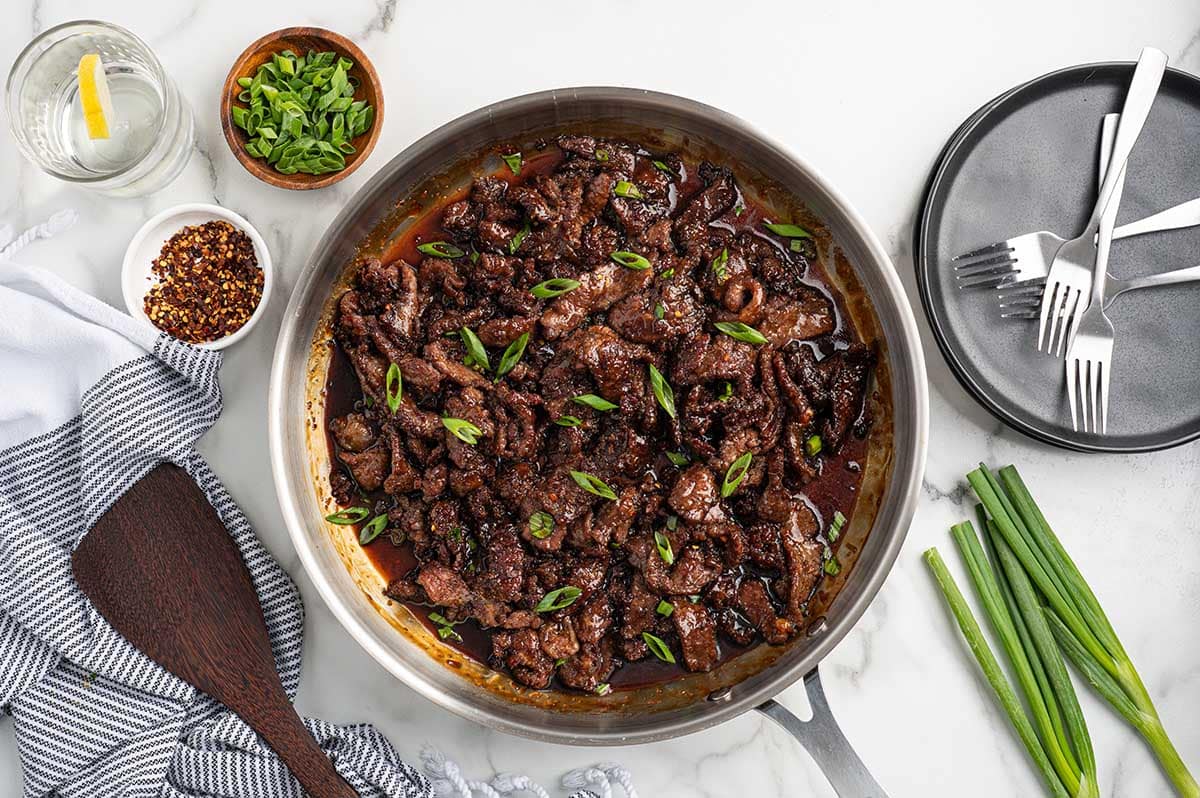
How to Store Leftovers
Store leftovers in an airtight container in the refrigerator for up to 3 days.
Reheat them in a skillet over medium-low heat with a splash of water to loosen the sauce. The coating will not be as crisp as it was the first night, but the beef itself stays tender because of the marinade. I avoid the microwave when I can, because it softens the coating even more.
I do not recommend freezing this. The fried beef turns too soft once it has been frozen, thawed, and reheated.
More Takeout Recipes to Make at Home
Mongolian Beef
Ingredients
Beef Marinade
- 1 pound flank steak
- 1 tablespoon canola oil
- 1 tablespoon water
- 2 teaspoons low-sodium soy sauce
- 1 tablespoon cornstarch
- ½ teaspoon baking soda
Stir-Fry
- ⅓ cup canola oil
- ⅓ cup plus 1 tablespoon cornstarch divided (⅓ cup to coat the beef and 1 tablespoon for the slurry)
- ½ cup low-sodium soy sauce
- ½ cup light brown sugar packed
- ⅓ cup plus 1 tablespoon water divided (⅓ cup for the sauce and 1 tablespoon for the slurry)
- 1 tablespoon grated garlic
- 1 tablespoon grated ginger
- 1 teaspoon sesame oil
- ¼ teaspoon red pepper flakes (plus more to taste)
- ¼ cup sliced green onions cut on the diagonal into ¼ to ½-inch pieces (plus more for garnish)
Instructions
Beef Marinade
- Slice the flank steak against the grain into long thin pieces (about ¼-inch thick by 3 to 4-inches long and ½-inch wide). All the pieces should be as uniform in size as possible for even cooking.1 pound flank steak
- Place the sliced beef into a bowl with the canola oil, water, soy sauce, cornstarch, and baking soda. Toss all the ingredients together to fully coat the beef. Cover and marinate at room temperature for 1 hour before frying.1 tablespoon canola oil, 1 tablespoon water, 2 teaspoons low-sodium soy sauce, 1 tablespoon cornstarch, ½ teaspoon baking soda
Stir-Fry
- Heat the canola oil in a large (12-inch) heavy-bottomed skillet over medium-high heat.⅓ cup canola oil
- Add ⅓ cup cornstarch to the bowl of marinating flank steak. Toss to coat, then gently shake off any excess cornstarch before adding the beef to the hot oil.⅓ cup plus 1 tablespoon cornstarch
- Once the oil is hot (it should shimmer and slightly ripple when ready and a small piece of beef should sizzle immediately when added), add half the coated flank steak to the skillet in an even layer. Fry for 2-3 minutes on the first side then flip and fry on the second side for an additional 2-3 minutes or until the flank steak strips are crispy, golden brown around the edges and no pink remains.
- Remove the fried flank steak using a slotted spatula and place onto a paper towel-lined plate.
- Add the remaining half of the coated flank steak to the skillet and fry for 2-3 minutes per side. Remove and place onto the paper towel-lined plate with the first batch of fried flank steak.
- Pour off all but 1 tablespoon of the cooking oil and reduce the heat to medium.
- Whisk in the soy sauce, brown sugar, water, garlic, ginger, sesame oil, and red pepper flakes and bring the sauce to a boil.½ cup low-sodium soy sauce, ½ cup light brown sugar, ⅓ cup plus 1 tablespoon water, 1 tablespoon grated garlic, 1 tablespoon grated ginger, 1 teaspoon sesame oil, ¼ teaspoon red pepper flakes
- In a small bowl whisk together the remaining 1 tablespoon cornstarch and 1 tablespoon water until the cornstarch is fully dissolved. Pour the slurry into the bubbling sauce and cook for another 1-2 minutes or until glossy and thick enough to coat the back of a spoon.
- Turn off the heat to the skillet, add the reserved fried flank steak and ¼ cup sliced green onions, tossing to evenly coat all the steak pieces with the thickened sauce and serve while hot.¼ cup sliced green onions
Jenn’s Notes
- Slicing: Put the flank steak in the freezer for 30 to 45 minutes, still in its packaging, before you slice it. It firms up just enough to cut thin, clean slices. Use a very sharp knife, and slice against the grain. Flank steak is not the same thickness end to end, so slice some pieces in half lengthwise to keep everything close to uniform. Uniform pieces cook evenly.
- The slurry is not optional. The cornstarch on the beef gets used up in the frying, so it will not thicken your sauce. Whisk the reserved tablespoon of cornstarch with a tablespoon of water in a separate small bowl until it dissolves, then stir it into the bubbling sauce. That is what makes it glossy.
- Fry in two batches. Crowding the pan drops the oil temperature and steams the beef instead of frying it.
- Heat: A quarter teaspoon of red pepper flakes is a balance of sweet and warm that works for most people. Add more if you want it hotter. Taste the sauce before the beef goes back in.
- Extra sauce: Double all the sauce ingredients and the slurry. It takes a couple of extra minutes to thicken, so let it simmer until it coats the back of a spoon.
- Make ahead: Slice and marinate the beef earlier in the day and dinner comes together in about 15 minutes. Do not fry the beef ahead. The coating softens as it sits.
- Storage: Airtight in the refrigerator up to 3 days. Reheat in a skillet over medium-low with a splash of water. I do not recommend freezing. The fried beef gets too soft once frozen and thawed.